
In a time when people are increasingly defined by labels — homeowner or renter, wealthy or struggling, successful or in need of help — it can be easy to overlook what they have in common. Before any of those distinctions, they are neighbors, sharing the same schools, workplaces, and community. Strong communities depend on more than government programs or charitable organizations. They depend on people who recognize that the well-being of their neighbors matters and who chooses to act when others face difficult circumstances.
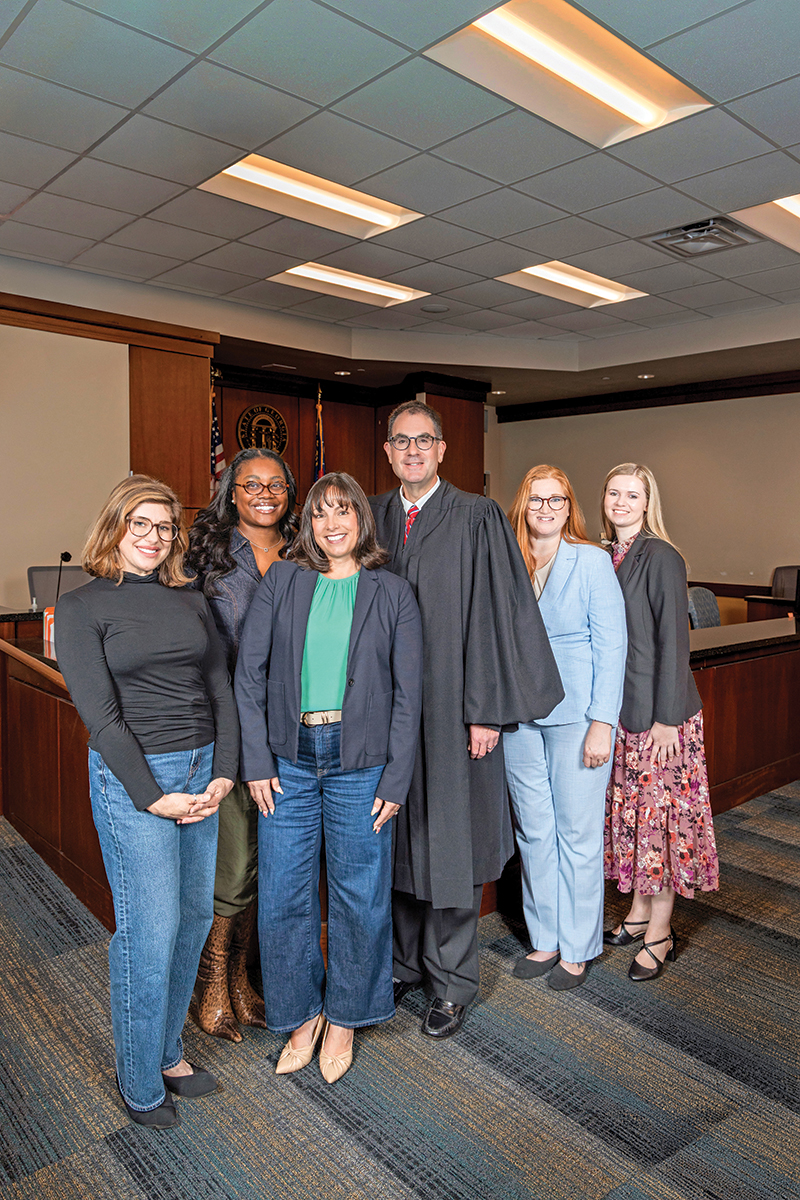
In Cobb County, one partnership demonstrates what that commitment can accomplish. Through their innovative Housing Stability Court, The Center for Family Resources (CFR) and the Cobb County Magistrate Court and are helping families resolve eviction crises before they lose their homes. Since the program’s inception, 180 households have been served, receiving assistance and support designed to address both immediate financial challenges and the circumstances that put their housing at risk.
The program illustrates how public institutions, nonprofit organizations, landlords, and community supporters can work together to create opportunities that might not otherwise exist.
Behind Every Case Is a Family
For many families, housing instability begins with an ordinary setback. A car repair, medical expense, a sick child, or a reduction in work hours can leave parents struggling to cover rent. When household budgets are already stretched, even a temporary disruption can quickly become a crisis. An eviction filing brings uncertainty that extends far beyond an unpaid bill. Parents may worry about maintaining employment while searching for another home. Children face the possibility of leaving their schools, friends, and familiar routines.
One mother who received assistance through Housing Stability Court described the relief of learning how her family could remain housed. “I felt like I could breathe,” she said. “I couldn’t imagine having to tell my kids that we have to pack up and move away from their school and uproot their lives. Mentally, that is a lot.” Her experience reflects the human side of housing instability, where the consequences of a financial setback can affect an entire family’s sense of security.
For Melanie Kagan, CEO of The Center for Family Resources, those circumstances demonstrate why the community’s response matters. “It’s easy to see an eviction filing and make assumptions about the family behind it,” Kagan said. “What we see are parents working, raising children, and trying to manage circumstances that have become overwhelming. Sometimes the difference between a temporary setback and homelessness is whether someone is willing to help them find a path forward.”
A Different Approach to Eviction Prevention
Housing Stability Court brings together the Magistrate Court’s responsibility to administer the law and The Center for Family Resources’ experience helping families navigate complex financial and housing challenges. Eligible households receive assistance to address past-due rent while working with case managers on financial planning, employment opportunities, and other resources that can help prevent another crisis. The program also relies on the participation of landlords and families. Landlords must be willing to consider an alternative to displacement, while families commit to addressing the circumstances that contributed to their instability.
Judge Brendan Murphy sees the partnership as an opportunity to find solutions within the legal process. “The law is strict, and as a judge, my job is to follow the law,” Murphy said. “This program can’t help everybody, but it can help somebody. When we can bring people together voluntarily to problem-solve in a new way, break the chain of eviction and invest in people, that is a hugely satisfying part of my job. I’m glad to be a part of it with The CFR.”
The program recognizes the legitimate needs of both housing providers and families. Landlords need to receive rent, and families need stable housing. When a financial crisis can reasonably be resolved, collaboration can offer a better outcome for everyone involved. Families referred to The Center for Family Resources commonly owe between $3,500 and $7,000 in past-due rent. Addressing those balances can require substantial financial assistance, but the program’s approach extends beyond resolving the immediate debt.
“The goal isn’t simply to pay someone’s rent,” Kagan said. “It’s to help families become financially stable enough to pay it going forward. We want to know that our intervention made a lasting difference, not just that we resolved an immediate crisis.”
Stability Requires More Than Housing
Housing instability rarely occurs in isolation. Families struggling to pay rent may also be dealing with rising grocery costs, unreliable transportation, childcare challenges or insufficient income. The Center for Family Resources broader services recognize how closely these issues are connected.
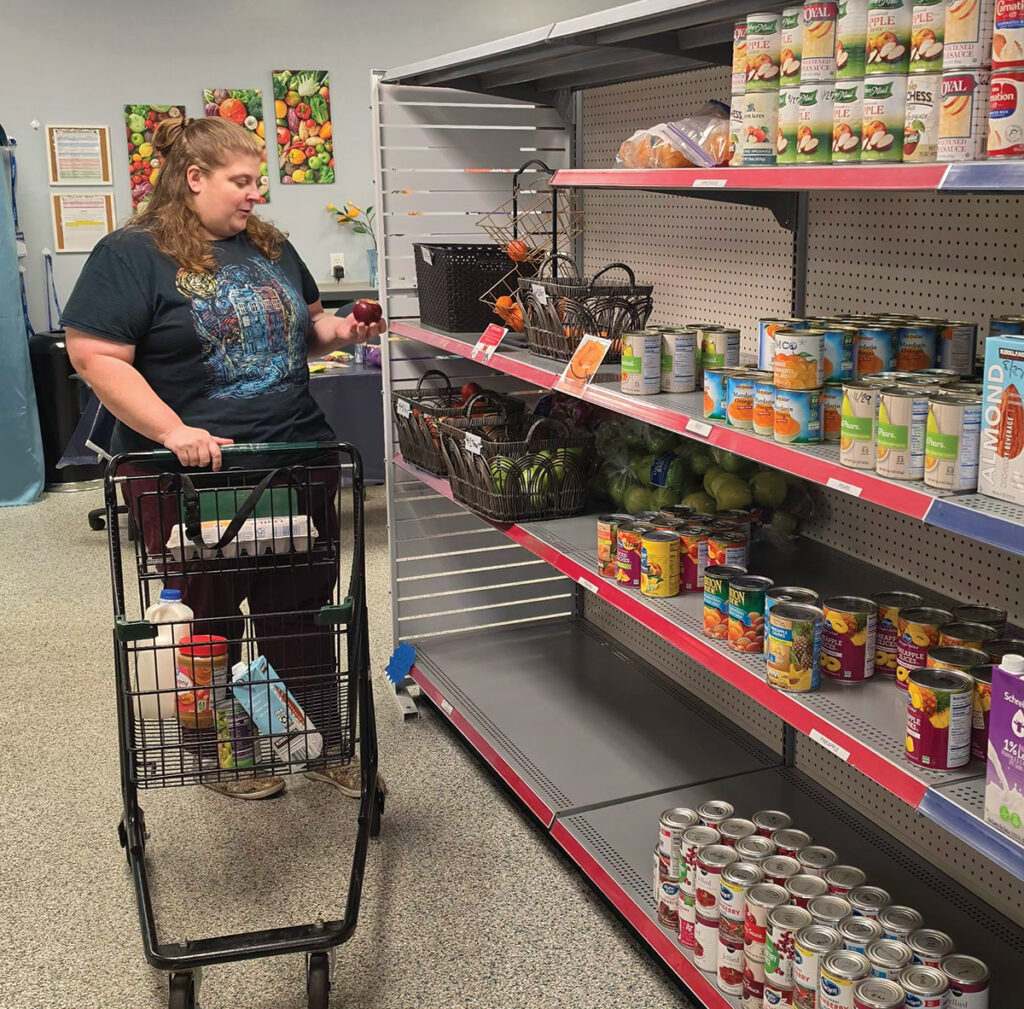
Through partnerships with organizations such as CobbWorks, families can access employment resources, résumé assistance, and job training. The Center for Family Resources’ Family Cupboard Choice Pantry provides groceries and essential supplies, helping households stretch limited budgets. Case management connects families with additional resources and helps them develop plans for greater financial independence.
Founded in 1960, The Center for Family Resources has spent more than six decades serving Cobb County children and families experiencing housing instability, homelessness, and food insecurity. In 2025, the organization served 9,937 Cobb County residents through housing assistance, homelessness prevention, food access, and other supportive services. These efforts share a common objective: helping families move beyond an immediate crisis toward greater stability.
The benefits extend throughout the community. Stable housing helps children remain in school, parents maintain employment, and families participate more fully in their neighborhoods and local economy.
The Role of Community Investment
Housing Stability Court was established with American Rescue Plan Act funding. As that initial funding concludes in 2026, The Center for Family Resources is working to identify resources and partnerships that can sustain the program. The challenge highlights a broader question about how communities invest in solutions that demonstrate value. Government funding helped establish the program, and public investment remains an important part of addressing housing instability. Sustaining and expanding effective prevention efforts, however, creates opportunities for businesses, foundations, faith communities, and individual donors to participate.
For Kagan, philanthropy is about more than filling gaps in public funding. “Government has an important role in supporting families and addressing community challenges, but it cannot be the only source of solutions,” she said. “Strong communities are built by people who recognize a shared responsibility for one another. Businesses, foundations, faith organizations, and individuals all have something to contribute. When we invest together in solutions that work, we’re investing in the strength of our entire community.”
Meaningful intervention requires both generosity and accountability. Preventing eviction can be expensive, particularly when rental arrears have accumulated over several months. Financial assistance must be paired with appropriate safeguards, family participation, and services that support longer-term stability.
Success cannot be measured solely by the dollars distributed. It must also consider whether families remain housed, strengthen their finances, and reduce their risk of another housing emergency.
For one family assisted by The Center for Family Resources, the impact extended beyond financial relief. “Your kindness and belief in us mean more than I can properly put into words. That extra time will give us the breathing room we need to strengthen our foundation even more, save wisely, and continue moving forward with confidence. It’s not just financial help, it’s encouragement, hope, and reassurance that we’re on the right path.” The family’s words capture an often-overlooked aspect of philanthropy: knowing that someone believes a better outcome is possible can be as meaningful as the assistance itself.
Building a Stronger Cobb County
Jennifer Giusti, Chair of The Center for Family Resources’ Board of Directors and Principal and Founder of Just Performance, LLC, sees housing stability as essential to both family well-being and community prosperity.
“A stable home is foundational to a family’s well-being, a child’s ability to learn, and a community’s economic vitality,” she said. “For area businesses, housing stability is closely tied to the strength of our workforce, the success of future generations, and the long-term health of our community. The Housing Stability Court demonstrates what is possible when public, private, and nonprofit partners work together to address challenges before they become more costly and disruptive for families and the broader community.”
Her perspective reflects the connection between philanthropy and the long-term health of a community. Investments that help families remain housed can also support a more stable workforce, stronger schools, and more resilient neighborhoods. The Housing Stability Court partnership is one example of what can happen when organizations and individuals approach a difficult challenge with a shared commitment to finding solutions. It also demonstrates that compassion and accountability are not competing values. Families can be expected to participate in their own progress while receiving meaningful support. Public institutions can fulfill their responsibilities while working with community partners. Businesses and individuals can invest in effective solutions without waiting for government to address every need.
This work offers a reminder that people do not have to share the same circumstances, beliefs, or perspectives to care about the well-being of their neighbors. Cobb County’s strength has always depended on the willingness of its citizens, businesses, and institutions to invest in something larger than themselves. Continuing that tradition means recognizing that the challenges facing one family can affect the entire community — and that meaningful solutions often begin when people choose to work together.
A strong community isn’t defined by how we label one another. It is defined by how we show up for one another.



 and the Cobb County Magistrate Court and are helping families resolve eviction crises.)