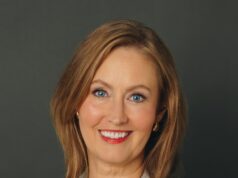
By Vicki Abelson, MBA PCC
On any given morning in Cobb County, leadership is happening quietly. It’s happening in early meetings before school drop-off, in hospital corridors where decisions can’t wait, and in offices where calendars overflow and inboxes pile up. The pressure to get it right — for employees, patients, students, and families — never really turns off.
For years, the story of Cobb has been growth and a steady influx of people drawn by opportunity and quality of life. But as the county matures, a different question is emerging — one that doesn’t show up on planning documents or economic reports. It’s not how fast can we grow? It’s how well can we lead?
The future of Cobb County will be defined by how leaders across business, healthcare, education, and civic life show up in moments of complexity.
When growth stops being simple
In the early stages of growth, leadership often rewards speed: move quickly, decide fast, push through obstacles. That approach works … until it doesn’t. As communities grow, leadership becomes less about momentum and more about navigation. Systems become interconnected. Decisions ripple outward. The margin for error shrinks, and the weight leaders carry grows heavier.
Many leaders describe the same quiet experience: they are capable, respected, and outwardly successful, yet privately exhausted. They second-guess decisions. They feel responsible for everything. They wonder why doing all the “right” things still feels so hard. This isn’t a personal failure. It’s a signal that leadership demands have changed.
The limits of the old playbook
For decades, leaders were taught a familiar script: be the expert, have the answers, push through, and don’t let them see you sweat. That model isn’t sustainable. Today’s challenges don’t respond well to control or endurance alone. Multigenerational teams bring different expectations. And leaders are expected to be decisive, compassionate, strategic, and steady, all at once. What once looked like strength, constant availability, personal sacrifice, and heroic effort often leads to burnout and disengagement. And when leaders burn out, their organizations feel it.
What effective leadership looks like now
The leaders shaping the future of Cobb are not necessarily louder or busier than their peers. They are steadier. They’ve learned that leadership is as much internal as external. That clarity begins with self-awareness. That emotional intelligence isn’t a soft skill, it’s a stabilizing force. The skills becoming essential in Cobb’s next chapter include:
- Self-awareness under pressure. Leaders who understand their own reactions can slow down, think clearly, and respond intentionally when stakes are high.
- Emotional intelligence. Trust, communication, and conflict navigation matter more than rigid authority in complex systems.
- Collaborative leadership. No single organization or sector can solve today’s challenges alone. Progress depends on leaders who can work across boundaries.
- Decision-making without certainty. Leaders must move forward without waiting for perfect information — and help others feel confident in that movement.
- Sustainable energy. The ability to manage energy, not just time, determines whether leadership is effective for the long haul.
These capabilities don’t replace expertise or ambition; they elevate them.
Why this matters beyond the office
Leadership quality doesn’t stay contained within an organization’s walls. When leaders are overwhelmed or reactive, teams feel it. Turnover increases. Decision-making slows. Trust erodes. When leaders are grounded and intentional, people feel safer, more engaged, and more willing to contribute their best thinking.
In a community like Cobb, leadership shows up in healthcare outcomes, school culture, workforce stability, economic resilience, and civic trust. Leadership shapes how people experience not just work, but life in the community. Strong leadership creates ripple effects that extend far beyond any one title or institution.
Looking ahead
Every community is shaped by the leaders it develops and supports. As Cobb County continues to grow, its greatest advantage may not be location or infrastructure, but the quality of leadership guiding its future.
The next chapter will be written by leaders who understand that leadership is not just about direction, but presence; not just about outcomes, but impact; not just about growth, but stewardship.
The future of Cobb is a leadership question — and how it’s answered will shape far more than we realize.
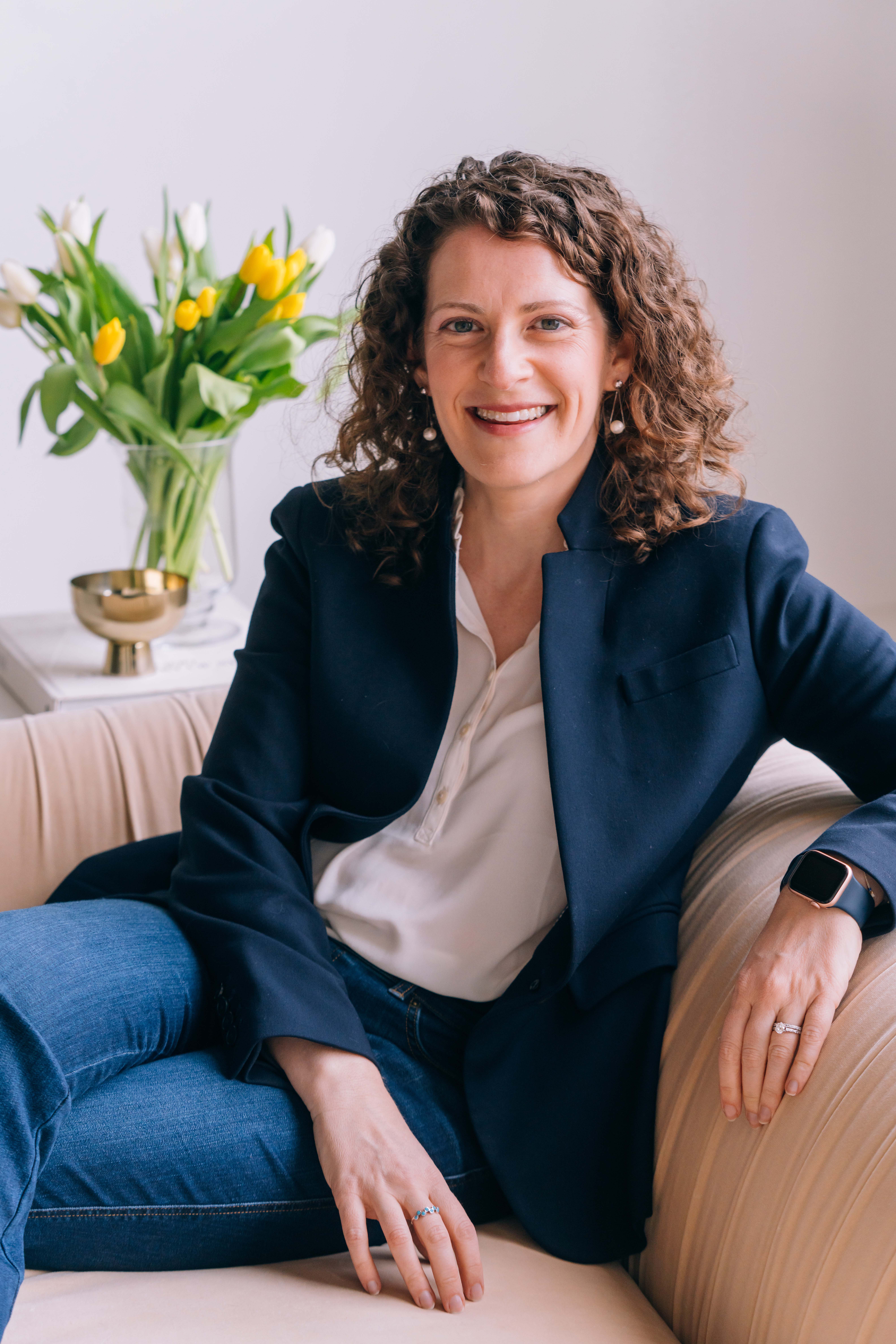 Vicki Abelson, MBA PCC, is a Certified Professional Coach with over 20 years of healthcare administration experience and the founder of The Defined Leader. She offers executive coaching and workshops. If you’re ready to see if leadership coaching is for you, visit thedefinedleader.com.