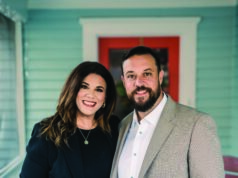
By Vicki Abelson, MBA PCC
We were sitting in our Rabbi’s office for pre-marital counseling. “What do you want,” she asked us. Without skipping a beat, I said, “Community.”
“What does that mean to you,” she asked. I gave her a blank stare. “Umm … you know. People? Around you? Being together?” Very eloquent.
Her question made it painfully clear: I had no idea what I actually wanted — or why it mattered to me. Fast forward 12 years. One marriage, two kids, one dog, one business, and a house in the suburbs later … and I’m still asking myself the same question. But now, I ask it differently: As a business leader, what does community mean to me?
The answer I keep coming back to is culture. The culture I help create inside my organization — and the culture I help shape outside of it, too. A culture of support, mutual respect, generosity, curiosity, accountability, openness, learning, and pouring into ourselves and others.
So how do we build that kind of community? And why should we care? Let’s start with the “how.”
Step 1: Define
Define the kind of culture you want to build within your business — whether your walls are physical or virtual. Culture is the set of shared values, beliefs, and behaviors that shape how people interact and make decisions. It’s the emotional and behavioral DNA of your organization.
A strong, inclusive culture naturally fosters community — where people feel connected, supported, and aligned with a shared mission. There’s no one-size-fits-all answer here. But it helps if everyone is on the same page.
Step 2: Determine
Once you’ve defined your culture, determine how it will show up in real life. If you say you want a culture of collaboration, what does that look like on an average Tuesday? During quarter-end? In the middle of a crisis?
This is where you build the plan. It doesn’t have to be perfect, but it should be intentional. Think about how your values translate into systems, rituals, communication, and leadership behaviors. Consistency builds trust. And trust builds community.
Step 3: Drive
This is where the rubber meets the road. Drive the culture forward by modeling it, reinforcing it, and adjusting it when things don’t go according to plan. Culture isn’t static. It’s a living, breathing thing that evolves with your team, your business, and the world around you.
Driving culture means making it a priority — even when it’s inconvenient. Especially when it’s inconvenient. So why does this matter? Why should you, as a business owner or leader, care about building community? Because community is the connective tissue of your business. It’s what turns a group of individuals into a team. It’s what turns customers into advocates. It’s what turns values into action.
A strong culture builds trust and credibility, which strengthens your relationships with external stakeholders — clients, partners, investors, and even your local community. That community, in turn, becomes a source of referrals, collaboration, and innovation. And perhaps most importantly, a strong culture helps you attract, engage, and retain great people. It’s a win-win-win.
So, I’ll ask you the same question my Rabbi asked me all those years ago: What do you want? What kind of culture do you want to build? What kind of community do you want to lead? And what are you willing to do — today — to start driving it forward?
Vicki Abelson, MBA PCC, is a Certified Professional Coach with over 20 years of healthcare administration experience and the founder of The Defined Leader. She offers executive coaching and workshops. If you’re ready to see if leadership coaching is for you, visit thedefinedleader.com.